The Healing Power of Light: How Art Supports Health and Emotional Well-Being
- Rossi Kelton
- Apr 27
- 3 min read

Updated: Jul 22
Mexican artist Frida Kahlo (1907 - 1954) faced immense challenges. She contracted polio as a child and suffered severe spinal injuries from a car accident as a teenager. Throughout her life, she underwent 30 surgeries. Kahlo channeled her physical pain and emotional turmoil into her art. She painted self-portraits that captured her identity struggles and internal conflicts. Using saturated, intense colors like red and yellow, she conveyed her agony and emotional rage.
Art became her refuge. It helped her process pain, heartbreak, identity, and resilience. Painting allowed her to externalize her physical suffering. Instead of concealing her injuries, she transformed them into a visual vocabulary. In works like "The Two Fridas," she examined heartbreak, divided identity, and emotional wounds after her divorce. Art granted Kahlo purpose and resolve. When her body was restricted, painting sustained her creativity, visibility, and emotional vitality.
Painting is a powerful nonverbal medium. It brings complex emotions to the surface, supports cognitive reframing, accesses preverbal memories, and fosters a deep sense of agency and accomplishment. Other artists—including David Bowie, Kurt Cobain, Lady Gaga, and Miley Cyrus—have also used art to support their physical and emotional well-being. They turned to painting, drawing, and creative expression to process trauma and navigate inner struggles.
The Transformative Power of Art
Art is not just decoration; it is a powerful force for well-being. It quietly shapes the emotional atmosphere of a space. Through the interplay of light, color, and composition, art creates a sensory environment that invites stillness and awareness. In a world defined by speed and constant distraction, art offers a rare pause—a moment where we can slow down, breathe, and become present.
This pause is not passive; it is restorative. Studies show that engaging with calming imagery can reduce stress, regulate mood, and support overall well-being. By intentionally integrating art into our surroundings, we foster environments that nourish resilience and mindfulness. Art becomes essential to the human experience.
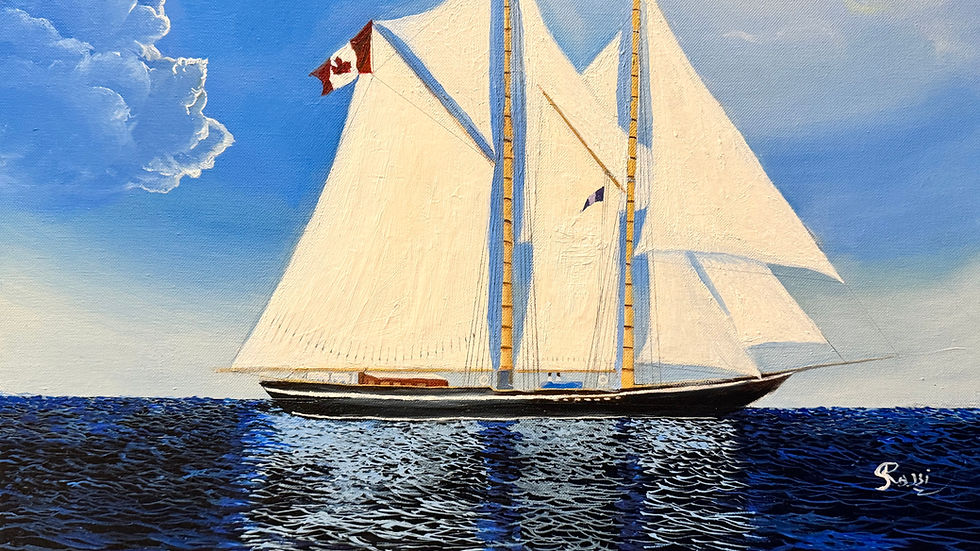
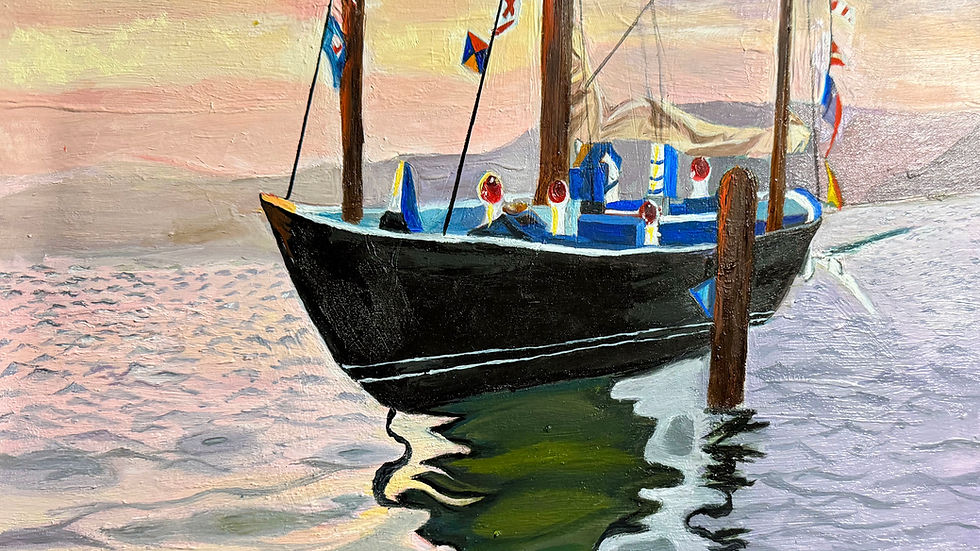
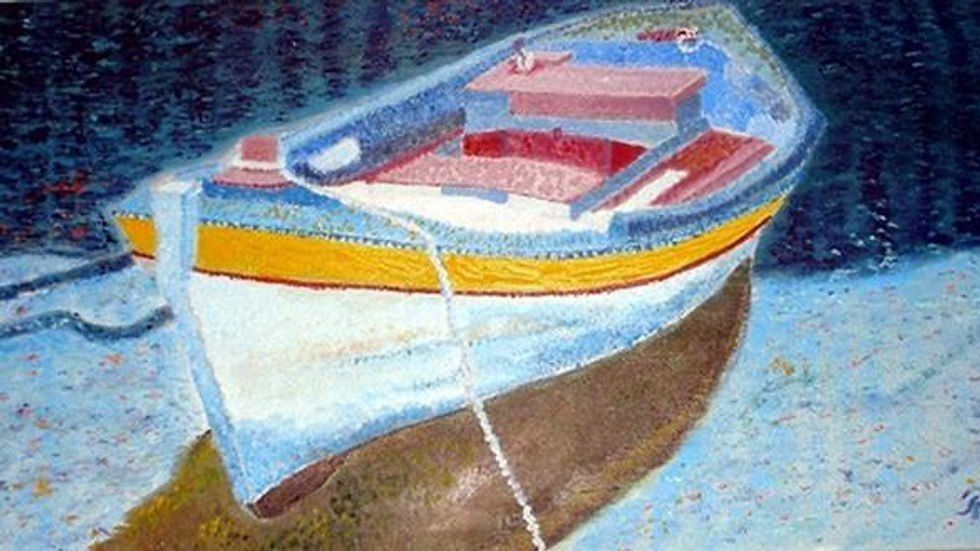
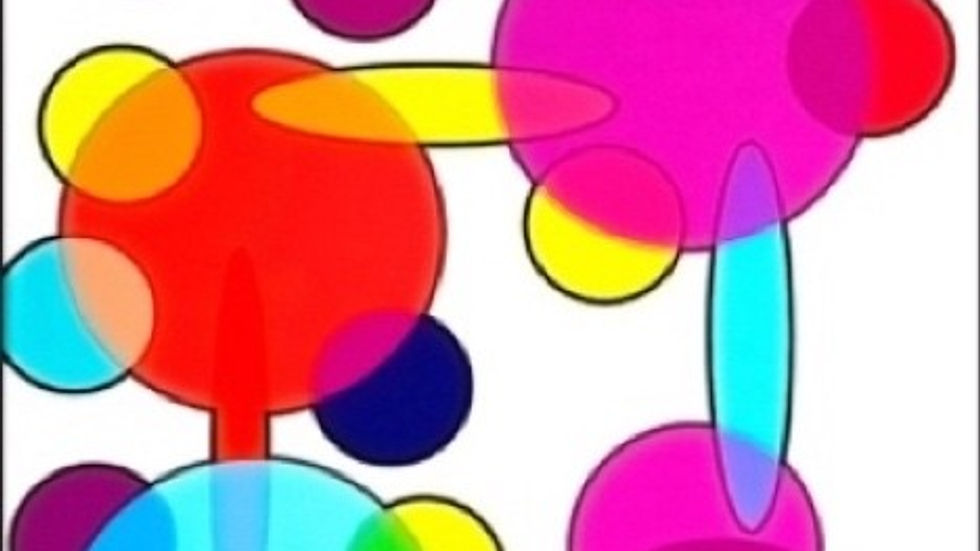
Three Expressions of Light as a Healing Experience
Water Light (Calm, Reflection, Stillness)
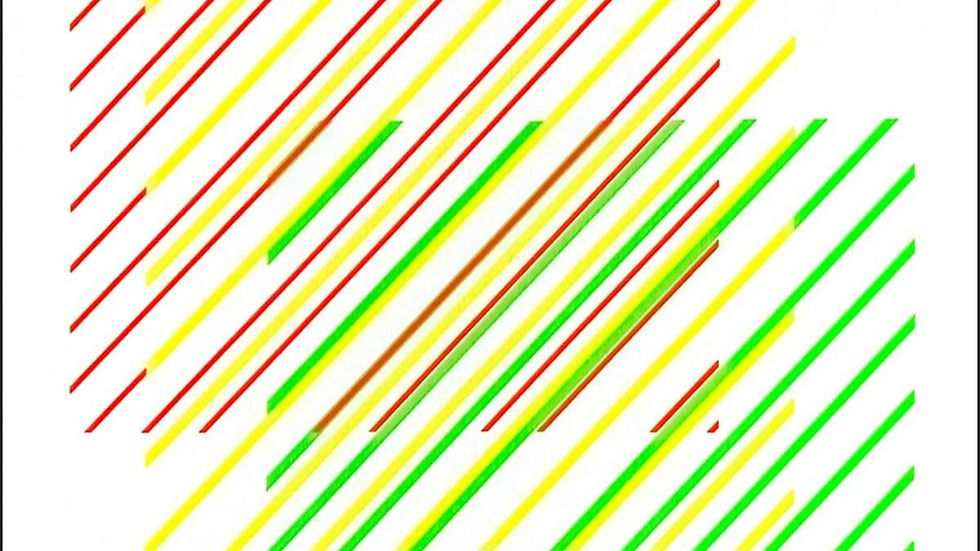
Color Vibration (Energy, Movement, Perception)

Golden Atmosphere (Warmth, Hope, Emotional Comfort)
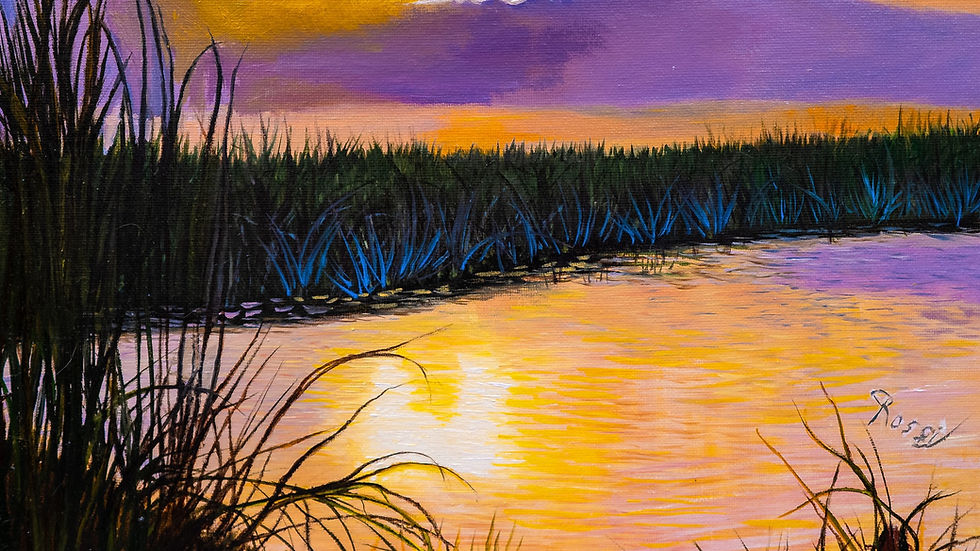

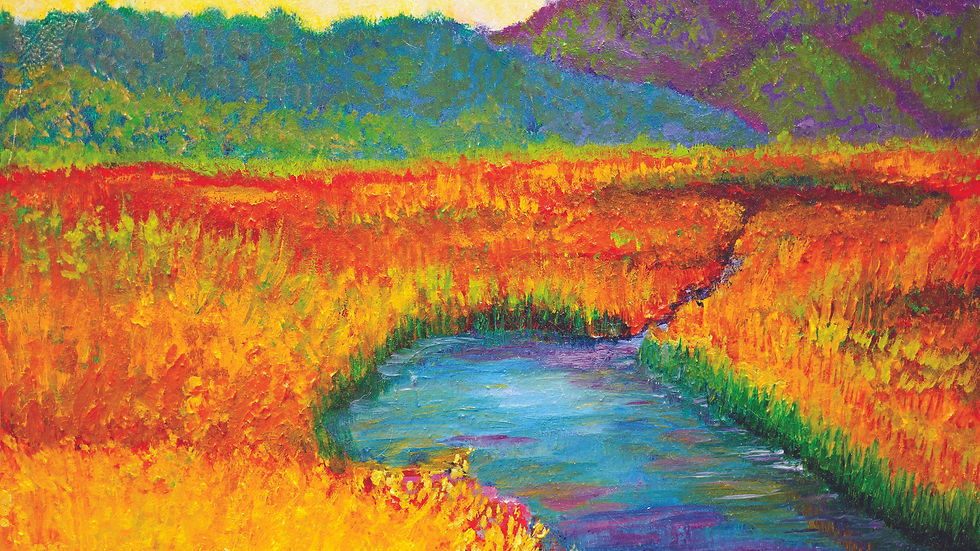
Each of these expressions creates a distinct psychological and emotional response.
Art Transforms Spaces into Healing Environments
Art is more than mere decoration; it transforms spaces into healing environments. It shapes the emotional atmosphere and influences how we respond within it. Through light, color, and composition, art creates a sensory environment that invites stillness and awareness.
In our fast-paced world, art offers a rare pause. It allows us to slow down, breathe, and reconnect with ourselves. This moment of reflection is restorative. Engaging with calming imagery can reduce stress, regulate mood, and support overall well-being. By integrating art into our surroundings, we cultivate environments that nourish resilience and mindfulness.
Art is increasingly integrated into wellness spaces, hospitals, and homes. It serves as a visual anchor for healing. Rather than simply filling a wall, art creates an experience. It encourages reflection, reconnects us to our inner state, and gently restores emotional balance.
Conclusion
Art is a profound tool for healing. It invites us to explore our emotions and connect with our inner selves. Each piece of art tells a story, offering a glimpse into the artist's journey. As we engage with art, we open ourselves to its transformative power.
For those who appreciate the nuances of light and emotion, art becomes a reflection of identity. Each piece is timeless, original, and deeply personal—an investment not only in fine art but in an elevated way of living.
References:
Turkheimer, Federico E., Liu, Jingyi, Fagerholm, Erik D., Dazzan, Paola, Loggia, Marco L., Bettelheim, Eric (2022) "The Art of Pain: A quantitative color analysis of the self-portraits of Frida Khalo" Front. Hum. Neurosci. vol. 16, https://doi.org/10.3389/fnhum.2022.1000656
Liu, Ran (2025) "Therapeutic Mechanisms of Art: An Interdisciplinary Exploration of How Painting Facilitates Psychological Healing and Well-being" College of Innovation and Entrepreneurship Henan University of Engineering Zhengzhou, 451191, China, vol 1 (No. 3), https://doi.org/10.63313/ah.9024
Kaimal, Girija, Ray, Kendra, Muniz, Juan "Reduction of Cortisol Levels and Participants’ Responses Following Art Making" Art Therapy: Journal of the American Art Therapy Association vol. 33 (issue 2), p. 74-80, https://www.tandfonline.com/doi/pdf/10.1080/07421656.2016.1166832?utm_source=chatgpt.com


Comments